

Introduction
Local SEO isn’t about vanity; it’s about pipeline. If you show up when someone searches for a plumber in Wagga Wagga or a café in Melbourne, you win enquiries and revenue. Too many businesses still treat local search as an afterthought. This guide shows how to maximise visibility in 2025 by thinking like your customers and doing the fundamentals well.
What Local SEO Actually Means in 2025
Local SEO means optimising your online presence to appear in the map pack and local organic results. Google ranks based on relevance, distance and prominence: matching queries, being near searchers and being well known. You control relevance with categories and content, distance with your address or service areas and prominence with links and reviews. Your Google Business Profile (GBP) carries a lot of weight, but on‑site content and citations matter too. Complete profiles match searches and positive ratings improve prominence. If you’re unsure where to start, an experienced SEO agency Sydney can build a roadmap.
The Map Pack: What Drives Visibility
Search for “dentist near me” and you’ll see three businesses in the map pack. Placement is driven by relevance, proximity and prominence. You can’t change where users are, but you can make it clear where you operate. Choose accurate categories, describe services in plain language and use your GBP to gather reviews. Build links from local sites to boost prominence. Businesses that win the map pack verify their details, upload fresh photos, earn genuine reviews and publish updates. Consistency builds trust with Google and customers alike.
Google Business Profile: The Non‑Negotiables
Your GBP is your most important local asset. Google’s guidelines for representing your business stress that your listing must reflect reality. Once you’re verified, follow this simple checklist:
- Fill every field.
- Upload quality photos.
- Keep your name, address and phone number consistent.
- Set service areas correctly.
- Post regular updates.
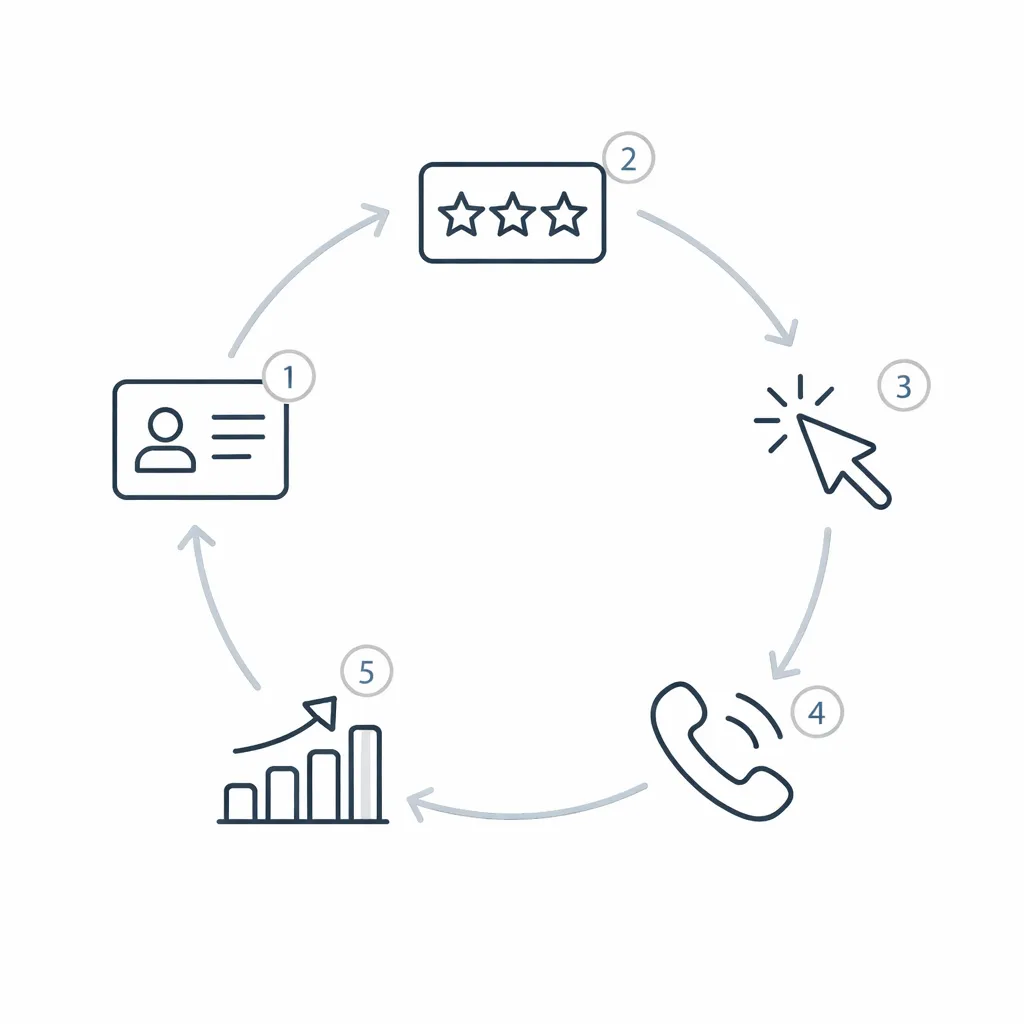
On‑Site Signals That Support Local Rankings
Your website must reinforce your local relevance. Make sure your name, address and phone number (NAP) match exactly across pages and directories. Create a page for each city or suburb you serve—Sydney, Melbourne, Brisbane, Perth and Wagga Wagga—with unique content and directions. Link these pages to your service pages and embed a map. Use simple schema markup to highlight your details. If your team works remotely, use secure remote access tools to update your site safely.
Reviews, Reputation, and Trust Signals
Reviews are the most visible trust signal. Google looks at how many reviews you have, how often you receive them and what they say. Encourage every happy customer to leave honest feedback and respond to all reviews. Never post fake testimonials or hide legitimate complaints; doing so misleads consumers and may breach Australian law. Build citations on credible directories and local associations. A Brisbane electrician who updated his GBP and requested reviews moved into the top three map results within months, and the calls followed.
Measurement: Proving Local SEO ROI
Local SEO isn’t set‑and‑forget. To prove ROI you must measure outcomes. In Google Search Console, monitor impressions and clicks for location‑based queries. Use GBP Insights to track views, calls and direction requests. Set up call tracking numbers and unique forms to attribute enquiries by suburb. In analytics, track conversions such as form submissions and phone calls. If rankings rise but enquiries don’t, review your listings and site.
FAQ
How long does local SEO take in Australia?
Most businesses see movement within three to six months. Competitive niches or big cities may take longer. Focus on steady improvements instead of quick fixes.
Do I need a physical office to rank locally?
No. Service‑area businesses can rank without a public address. List your service areas accurately and keep your NAP consistent. Hybrid businesses should show both an address and service area.
What’s the difference between local SEO and organic SEO?
Local SEO targets customers in a specific area and involves managing your GBP, collecting reviews and building citations. Organic SEO targets broader searches with content and backlinks. Most Australian service businesses need both.
How many reviews do I need to compete?
There’s no set number. Aim for a steady stream of genuine reviews. A business with fifty honest reviews often outranks one with a hundred spammy ones.
Should I create suburb pages?
Yes, if you genuinely serve those suburbs. Create unique pages with tailored content—services, testimonials and landmarks. Don’t invent locations.
What should I track in Search Console and analytics?
Monitor impressions, clicks and visits for local keywords. Track conversions such as calls, enquiry forms and visits to location pages. Segment by device and location to refine your strategy.
Conclusion / Next Steps
Local SEO isn’t a one‑off project; it’s a discipline that drives pipeline. By mastering relevance, proximity and prominence, optimising your GBP, building suburb pages, earning honest reviews and measuring what matters, you can dominate the map pack across Australia. To see our wins, check our Case Studies and Contact us to start.